
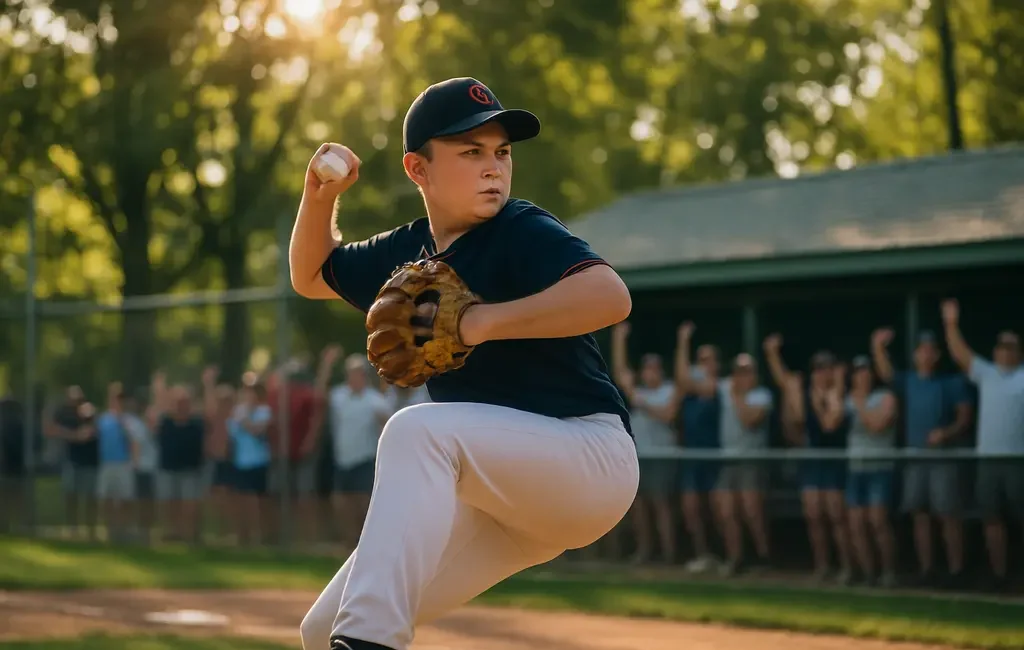
The 2026 Little League World Series began on August 19, 2026, in South Williamsport, Pennsylvania, and is scheduled to run through August 30, 2026, according to Little League’s official tournament dates. For clubs, families, and local organizers, the key story is not only the championship bracket. It is also the size of the event, the timing of regional qualification, and the way a concentrated youth baseball tournament affects coaching plans, volunteer capacity, travel behavior, and community attention.
As of August 20, 2026, the event is underway, so any assessment should be careful about results and team narratives that were not included in the supplied official research. The supported facts are clear enough to analyze the structure: 20 teams are in the field, split evenly between 10 United States regional representatives and 10 international teams. The baseball tournament contains 38 games over 11 days, staged at Howard J. Lamade Stadium and Volunteer Stadium.
Little League World Series Dates And Format
Little League World Series Schedule Context
The main tournament window, August 19-30, creates a tight competitive block after a long regional process. Several U.S. regional tournaments took place in early and mid-August. Examples from the official research include the Great Lakes region in Whitestown, Indiana, from August 8-12, the Metro region in Bristol, Connecticut, from August 8-14, and the Southwest region in Waco, Texas, from August 6-11. Those dates matter because teams that advance to South Williamsport have limited time to shift from regional scouting and local travel routines into a global tournament setting.
International qualification followed a wider date range. The Asia-Pacific regional tournament was held in Seoul, South Korea, from June 27 to July 3, 2026, while the Canada region tournament ran from August 3-12 in Nova Scotia. That spread in timing can shape preparation cycles. A team qualifying in early July has a different training and rest window than a team arriving after a mid-August regional. The research does not provide performance data by qualification date, so any competitive advantage should be treated as unproven rather than assumed.
Direct Entries And Field Balance
The 2026 field includes direct entry for certain international regions and teams. Australia, Canada, Japan, Mexico, Curaçao, and Panama were listed in the research as having direct entry into the 2026 tournament structure. From an event organization standpoint, direct entry can reduce uncertainty for some delegations while regional events determine the rest of the field. It also gives tournament staff a clearer planning base for travel, housing, practice scheduling, and media coordination.
For the United States side, the one-team-per-region model spreads representation across the country rather than concentrating qualification in the strongest baseball markets alone. For international teams, the direct-entry and regional paths create a mixed system. That system is not unusual for global youth tournaments, where travel distance, school calendars, and regional federation capacity have to be balanced against competitive access.
Event Operations In South Williamsport
Venue Load And Game Density
The 38-game schedule across Howard J. Lamade Stadium and Volunteer Stadium is a significant operational exercise. A tournament of this length must coordinate field maintenance, umpire assignments, team movement, practice windows, weather response, broadcast slots, and spectator flow. The research states that admission and parking carry no charge for spectators, which changes the local planning model. When entry barriers are low, attendance can be less predictable by ticket count, making crowd operations more dependent on daily traffic patterns and venue staffing.
For tournament operators, the Little League World Series is a case study in how a youth event can operate with professional-level public attention while still serving age-group athletes. The players are ages 10-12, with rosters of up to 14 players. That roster size affects substitution management, pitching plans, and coach communication. It also affects off-field care: smaller squads mean each player’s family experience and rest pattern become more visible during a compressed event.
Cost, Broadcast, And Community Footprint
The official research lists estimated operating expenditure for all seven 2026 Little League World Series tournaments at $12.5 million, with the Little League Baseball World Series in Williamsport alone costing about $7.5 million. Those figures help explain why volunteer systems, sponsorship operations, broadcast planning, and venue readiness cannot be treated as side issues. They are central to whether the event can run consistently across multiple age groups and sites.
Broadcast scale is another major factor. More than 340 games across Little League Baseball and Softball Region and World Series tournaments were scheduled for ESPN platforms. The research also states that all 22 games of the Little League Softball World Series for girls ages 10-12 were placed on linear ESPN channels rather than streaming only. For youth development, that exposure can broaden recognition of girls’ softball without requiring comparisons that overstate what one broadcast cycle can prove.
South Williamsport’s local impact is also linked to the MLB Little League Classic, scheduled for Sunday, August 23, 2026, with the Atlanta Braves facing the Milwaukee Brewers in Williamsport. For a closer look at how that showcase connects with community access and youth baseball themes, Ambikapur City’s related analysis of the Little League Classic in South Williamsport gives useful local context. Readers comparing youth tournament coverage with broader baseball writing can also explore more insights from Books on Baseball, a related site in the same network.
Youth Development And Club Planning
What Local Clubs Can Learn
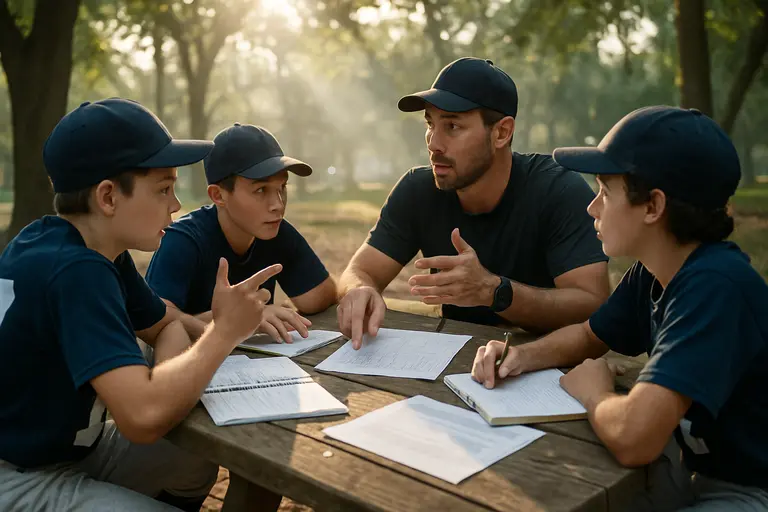
The strongest takeaway for local clubs is that the tournament calendar rewards planning well before the final bracket. Regional dates in June, July, and August show how different qualification routes place different demands on families, coaches, and volunteers. A club that wants to support a regional run needs practice access, pitching oversight, travel communication, and parent coordination before the first regional game is played.
The roster limit of up to 14 players also raises practical development questions. Coaches at the club level need to build more than a starting lineup. They need defensive flexibility, multiple pitching options within youth rules, and players who can handle shorter roles. The Little League World Series format puts those choices under public attention, but the habits are built at local fields months earlier.
- Calendar discipline: Regional dates can arrive quickly after local play, so clubs need clear practice and travel plans.
- Volunteer depth: Free admission and large crowds increase the need for trained local help around event sites.
- Player welfare: Ages 10-12 require age-appropriate coaching, rest, and family communication during tournament travel.
- Community connection: A youth event can link local pride with baseball participation when clubs keep access open.
There is also a caution for clubs trying to copy elite youth tournament models. The Williamsport event has national broadcast partners, two dedicated stadiums, and a large operating budget. Most local leagues do not have those assets. The useful lesson is not to imitate the scale. It is to borrow the principles: predictable scheduling, clear roles, transparent communication, and a player-first standard.
2026 Little League World Series Takeaways For Clubs
The 2026 Little League World Series offers a clear view of how tournament design can connect youth competition, local identity, and national attention. The confirmed dates, August 19-30, place the championship window after a dense regional calendar. The 20-team structure gives the event broad representation. The 38-game schedule across two stadiums shows the operational load behind a youth baseball showcase.
For South Williamsport, the event is more than a set of games. It is a recurring test of venue readiness, volunteer support, spectator access, and community coordination. For local clubs outside Pennsylvania, the lesson is practical: the best tournament outcomes start with steady player development and sound event planning. That makes the Little League World Series a useful reference point, provided its scale is understood accurately and not treated as a template every community can reproduce.