

As of August 20, 2026, youth sports gear planning for fall should start with two areas that have the clearest research support: head protection in contact sports and footwear choices for cutting sports. Parents and coaches can reduce avoidable equipment risk by checking tested helmet categories, cleat fit, stud shape, surface match, and whether gear still fits after summer growth.
Gear does not replace coaching, conditioning, rule enforcement, or medical clearance. It does shape the way force is absorbed, how the foot grips the surface, and how a young athlete moves late in practice when fatigue changes mechanics. That is why the smartest fall checklist is not the longest one. It is the one that focuses on fit, sport demands, and verified performance signals.
youth sports gear Priorities For Fall Contact Sports
Helmet Selection Should Follow Tested Performance
Football helmets are the clearest example of equipment categories being tested and compared at a high level. In the 2025–2026 period, nearly 30% of NFL players switched from helmets rated as Not Recommended to Top-Performing models under the league and players association laboratory testing program. The same NFL release reported that Top-Performing models showed almost 30% lower on-field concussion rates than Not Recommended models NFL helmet testing.
That professional data should not be copied straight onto youth football without caution. NFL players are larger, faster, and fitted by equipment staffs. Youth athletes have different neck strength, growth patterns, and practice environments. The useful lesson is narrower: helmet category, condition, and fit should be treated as performance variables, not as afterthoughts. A hand-me-down helmet with an unknown service record is harder to evaluate than a current model with a clear rating and a documented fit process.
The research set also identifies a future youth football helmet requirement scheduled for September 1, 2027. The NOCSAE ND006 standard is described as setting a 3.5-pound maximum for youth helmets, including facemask and attachments, while addressing rotational head acceleration. Families buying before fall practices in 2026 should ask equipment managers how new purchases fit with that future standard, especially if the helmet is expected to be used for more than one season.
youth sports gear Fit Checks Before First Practice
The best youth sports gear choice can fail if the fit is wrong. Helmet checks should happen before the first full-contact practice, after the first week, and after any clear growth spurt. Pads should cover the intended area without shifting during sprinting, stance work, and change-of-direction drills. Loose equipment can move at the moment it is supposed to protect; gear that is too tight may alter movement or distract the athlete during practice.
For local leagues, this is a practical operations issue. Coaches can set a short equipment station before early fall practices. Parents can bring the same shoes, socks, pads, and helmet the athlete will use in competition. That approach catches fit problems before the athlete is tired, overheated, and under pressure to keep up with teammates.
Footwear Choices For Cutting, Sprinting, And Turf
Stud Shape And Fatigue Change Foot Loading
Cleats deserve the same careful attention as helmets because many fall sports demand repeated acceleration, deceleration, and lateral cutting. A 2025 study of college-age athletes performing side-step cutting found that cleat stud shape, sex, and fatigue state had a significant impact on plantar pressure distribution. In that study, female athletes wearing bladed studs under fatigue showed higher posterolateral pressures, a pattern the authors linked to concern around lower-limb loading during cutting tasks cleat stud study.
This does not prove that one stud shape will injure a specific young athlete. It does support a careful question before fall soccer, football, lacrosse, or field hockey: does the shoe provide more traction than the athlete can safely control? High traction may help a player plant and push, but excessive grip can leave the foot fixed while the knee, ankle, and hip keep rotating. That risk becomes more relevant late in sessions, when fatigue changes landing and cutting quality.
Match Cleats To The Surface And Role
Surface match is one of the easiest equipment errors to prevent. A shoe selected for firm natural grass may not behave the same way on artificial turf or soft ground. The research set includes March 2026 clinical guidance stating that cleats should be chosen for the playing surface, with attention to fit, sole plate stability, cushioning, and a break-in period to reduce blister risk. For youth athletes, that can mean testing shoes during controlled practice rather than first wearing them in a match.
Parents should also watch how the athlete moves in the shoe, not only whether the size label seems right. Heel slip, toe crowding, pressure along the outside of the forefoot, or complaints after lateral drills are equipment signals. Players who participate in several seasonal sports may need different footwear across surfaces. Families comparing league timing and sport access can also review seasonal sports opportunities to avoid stacking too many new shoes, new surfaces, and new workloads into the same week.
Local Program Planning And Equipment Reviews
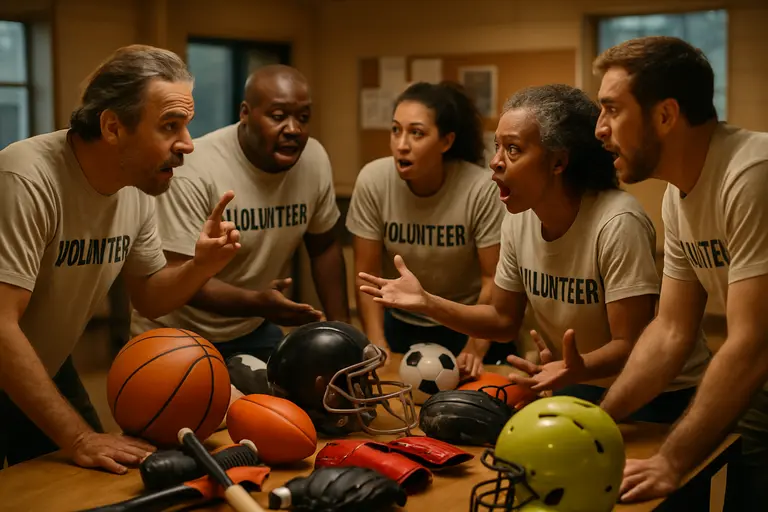
What Parents Can Control Without Overbuying
Equipment spending can get emotional before fall sports, especially when young athletes want the same look as older players. A better test is whether the item solves a real sport problem. The research set points to helmets, correct protective gear, sport-appropriate clothing, and the right footwear for the playing surface as areas tied to preventable injury risk. That does not mean every family needs premium products. It means the first dollars should go toward correct fit, appropriate category, and safe condition.
- Helmet: confirm the model category, service condition, and fit before contact begins.
- Facemask And Attachments: include them in weight and fit checks, especially for football.
- Cleats: match stud pattern to surface and avoid using new shoes first in competition.
- Protective Pads: check that sport-required pads stay in place during sprinting and cutting.
- Socks And Fit Layers: test the exact sock thickness used in games to reduce rubbing and pressure changes.
- Replacement Plan: recheck gear after growth spurts, weather changes, and visible wear.
For families interested in how product design, sizing tools, and materials influence equipment decisions across sports, you can visit CAD/CAM Net for related coverage from the same network. The useful mindset is the same: design details matter most when they can be tied to a clear performance or safety function.
How Coaches Can Standardize Checks
For local programs, youth sports gear budgets are often limited, but standard routines cost little. Coaches can create a pre-practice equipment check that takes five minutes: helmet fit for contact sports, shoe condition, pad coverage, and surface match. Teams can also separate skill work from first-use equipment trials. A player breaking in cleats should start with controlled drills before full-speed cutting in a crowded practice.
High school injury data from 2015–2019 in the research set reported an overall injury rate of 2.29 injuries per 1,000 athlete exposures, with football at 3.96 injuries per 1,000 athlete exposures. The same data identified head and face injuries, sprains and strains, and concussions as major categories. Those numbers do not isolate equipment as the cause. They do show why fall preparation should treat head protection and lower-limb loading as recurring review points, not one-time shopping tasks.
Fall Equipment Plan For Youth Sports Gear
A practical fall plan is simple: inspect what the athlete already owns, replace what no longer fits, and choose new items based on sport, surface, and tested category where available. Treat youth sports gear as part of athlete preparation, alongside conditioning and coaching. The safest buying decision is rarely driven by color or popularity. It is driven by whether the helmet is current and fitted, whether the cleat matches the surface, and whether the athlete can move naturally when tired.
For young athletes, small equipment mismatches can become bigger problems as practices lengthen and schedules tighten. A helmet that shifts, a cleat that grips too aggressively, or pads that move during contact all add noise to performance. Local programs that build short gear reviews into August and September practices give families clearer feedback and give athletes a better chance to focus on skill, decision-making, and steady development.