
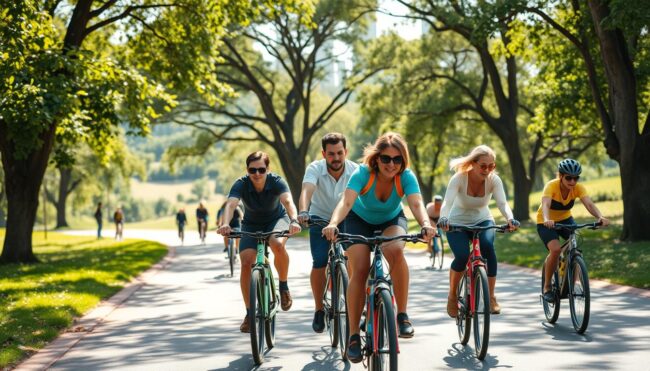
Welcome to Los Angeles’ vibrant world of two-wheeled tribes. Here, the diversity of our topography is matched by the variety of people you’ll meet. They’re all pedaling through it.
This is like a dating app for cycling clubs, but without the awkwardness. We’re looking at different groups, from those who help others to those who enjoy the challenge of being left behind.
Are you looking for a group that does charity work and enjoys scenic rides? Or maybe you want to find LGBTQ+ friendly spaces that celebrate 40 years of cycling progress?
We’re diving into the culture of local cycling groups. We’re doing it with the detail of a derailleur adjustment and the humor of a comedian at a bike mechanic event.
From East Side Riders’ community spirit to The Mixed Race’s diverse groups and Different Spokes’ long history of inclusivity – your perfect cycling group is waiting for you.
Pace, terrain, distance
Ever tried pairing a fine Bordeaux with fast food? That’s what happens when you mismatch pace, terrain, and distance in cycling. These three elements form the holy trinity that separates joyful rides from quad-crushing misadventures.
Los Angeles offers a topographic smorgasbord that would make any cyclist’s heart race. From the pancake-flat Marvin Braude Bike Trail to Griffith Park’s lung-busting ascents, your ride choice becomes a personal statement. Are you seeking meditative coastal cruises or mountain conquests that would make Tour de France riders sweat?
Most cycling group rides categorize difficulty like wine vintages: Easy (social pace, minimal elevation), Intermediate (steady tempo, rolling hills), and Hard (race pace, significant climbing). The smart cyclist knows their current vintage isn’t always the one they want to open.
Proper route planning means honest self-assessment. Can you maintain 18mph for 40 miles? Should you attempt that 8% grade? Remember: overestimating your abilities is the quickest path to becoming a cautionary tale at the local bike shop.
Distance interacts with terrain like characters in a good novel. Flat routes allow longer distances, while hilly terrain demands respect for shorter mileage. The savvy rider balances these elements like a literary critic analyzing plot structure.
Safety & Skills
In LA’s busy streets, you need to be as alert as a CIA agent. It’s not just about riding; it’s about staying safe.
Choosing the right safety gear is key, not just for looks. True safety means more than just helmets and reflectors.
The Venice Electric Light Parade shows how to be seen. They use 66 AA batteries to light up the night.
Look for no-drop rides where riders wait for each other. These groups know that teamwork is more important than speed.
Mastering urban cycling is like being a medieval knight. You need to stay alert to avoid becoming a car’s decoration.
Signals, drafting basics, intersections
If cycling had a secret handshake, it would involve more flailing limbs and fewer discreet palm presses. Welcome to the non-verbal ballet of group riding, where gestures speak volumes and missteps can be costly.
Hand signals form the foundation of cycling communication. The left arm extended means turning left—fairly intuitive unless you’re British. Right turns get tricky; either extend the right arm or bend your left elbow upward. The downward palm pat says “slow down,” which beats yelling like a panicked soccer mom.
Then come the obstacle warnings. Pointing at road hazards is like playing a deadly game of “I spy.” The subtle backhand flick warns of debris while the dramatic full-arm sweep signals major road defects. And yes, the spit warning is real—nobody wants a surprise facial from the rider ahead.
Drafting transforms cycling from solo suffering to energy-efficient teamwork. It’s like having your own personal wind blocker, minus the awkward social contract. The sweet spot sits about 12-24 inches behind the lead rider’s wheel—close enough to save 30% energy, far enough to avoid becoming a tangled mess of carbon and regret.
Proper drafting requires trust and spatial awareness. You’re riding blind to the front, trusting your leader won’t brake suddenly. It’s the cycling equivalent of faith healing, but with better results. In organized cycling group rides, drafting rotations become a beautifully choreographed dance of efficiency.
Intersections represent cycling’s version of Russian roulette. Even in LA—a bronze-level Bicycle Friendly Community—these remain danger zones. The key is predictability: signal early, maintain your line, and assume every driver is texting their therapist about road rage.
Right hooks—when cars turn across your path—cause more cycling accidents than any other maneuver. The solution? Make eye contact, position yourself visibly, and remember that being right won’t matter if you’re dead right. Left turns require even more caution; sometimes dismounting and using the crosswalk is the smarter move.
Your safety gear becomes most critical at intersections. Bright lights, reflective elements, and helmets won’t prevent accidents but might reduce their severity. Think of them as your personal airbag system—hopefully never needed but essential when required.
Mastering these three elements transforms chaotic cycling group rides into smooth, efficient machines. Signals create clarity, drafting builds efficiency, and intersection awareness keeps you alive. It’s the holy trinity of group cycling survival.
Bike & Gear
Your bicycle is more than just a machine. It’s your therapist, your freedom, and sometimes your most expensive clothes rack. Let’s dive into the details of what makes it work.
Quality safety gear is key for serious riders. Think of lighting that could guide ships, like Venice’s Electric Light Parade. Good lighting is not just seen; it’s essential.
Choosing the right bike is important. Ride Wit Us offers bikes for all terrains. Your bike should fit your adventure, whether city streets or countryside trails.
Smart route planning makes rides unforgettable. It’s the difference between a good ride and an amazing one. The right gear and planning create memories.
Does bike color affect performance? Maybe not. But it definitely boosts your Instagram. Some questions are more about feelings than facts.
Fit, lights, flat kit, clothing
Ever notice how cycling gear turns rational adults into walking contradictions? We wear padded shorts with dignity, like anthropologists studying tribal clothes. But ours are better at keeping us dry.
Bike fit is key – it’s not just for beginners. A good fit means your knees, back, and pride won’t suffer for 20 miles.
Then there are lights – your bike’s publicity team. The Venice Electric Light Parade shows how lights can be art after dark. They help you see and be seen, like your bike’s personal paparazzi.
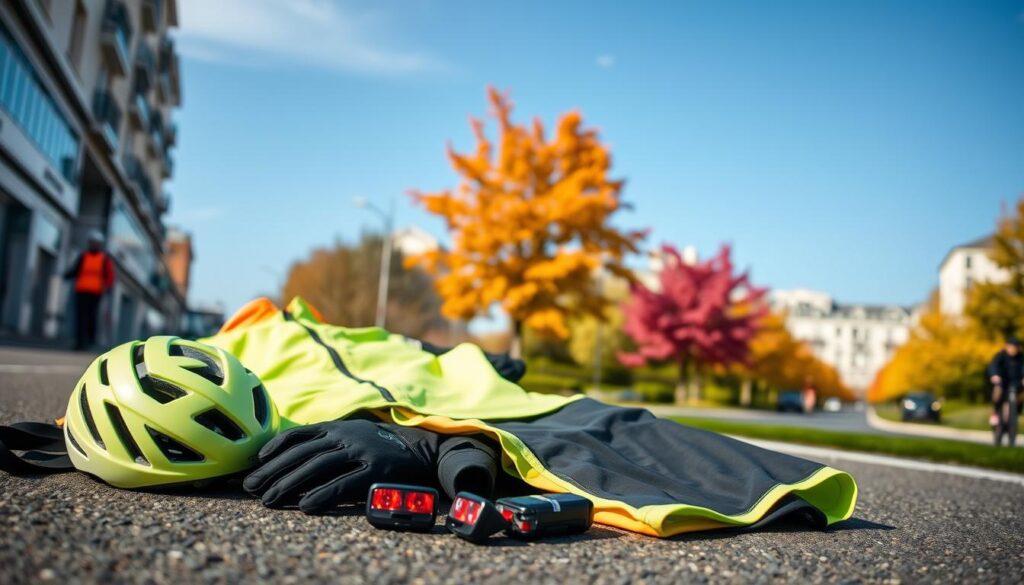
The flat kit is every seasoned rider’s secret. It’s like a parachute – useful only when you need it most. Make sure you have:
- Spare tube or patch kit
- Tire levers
- Portable pump or CO2 inflator
- Multi-tool for adjustments
New riders, take note: services like Ride Wit Us offer rentals with basic repair kits. Nothing brings a cycling group together like fixing flats and sharing bad words.
Clothing is where tech meets questionable style. Cycling wear shows we value comfort over looks, function over fashion.
For safety gear and comfort, consider:
- Padded shorts (bib-style prevent waistband digging)
- Moisture-wicking jerseys with rear pockets
- Visible colors for daytime riding
- Reflective elements for low-light conditions
The right clothes make your ride enjoyable, not just a test of endurance. In groups, proper gear shows respect for the ride and safety.
Your gear choices show you’re ready for the ride. Lights, repair tools, and the right clothes mean you respect the group’s time and safety. This social contract is as important as any tech spec in cycling group rides.
Route Planning
Welcome to the world of route planning, where dreams meet reality. Route planning is a battle of hope against the limits of what’s possible.
We’ll explore how to pick routes that won’t leave you in tears. Clubs have been perfecting route planning for over 70 years, long before the interstate system.
Los Angeles Wheelmen and CicLAvia events show us how to ride through cities. They use bike lanes to turn a tough ride into a joy.
It’s not just about the shortest path. You need to think about hills, traffic, and bike lanes. These choices can make all the difference between a good ride and a bad one.
Protected lanes, trail options
LA’s cycling paths offer a choice between luxury and adventure. Protected bike lanes are like first-class travel in the city. Trails, on the other hand, are like scenic routes through nature.
Protected lanes are the luxury of cycling in the city. They give you a safe space away from traffic. It’s like having your own lane, unlike fighting for space on sidewalks.
LA is adding more protected bike lanes. These paths make your ride smooth and safe. They’re perfect for route planning in busy areas.
LA’s trails are a natural escape from the city. The Marvin Braude Bike Trail is 22 miles of coastal beauty. It’s a cyclist’s version of the Pacific Coast Highway without the traffic.
Griffith Park trails offer a mix of challenge and views. They have tough climbs with amazing city views. It’s like LA’s own stadium seating, with different levels for every rider.
When planning your route planning, think about:
- Protected bike lanes for easy city rides
- Marvin Braude for beachside fun
- Griffith Park trails for tough climbs
- Mixed routes for a bit of everything
Each option has its own role in your cycling life. Protected lanes are for daily rides, while trails are for weekend adventures. Knowing when to pick each is key to good route planning.
LA’s cycling paths offer a mix of city and nature. You can ride on safe bike lanes one day and tackle trails the next. It’s like having both city and nature passes without extra costs.
Recovery & Nutrition
Welcome to the afterparty – that magical period where your body repairs itself. Your brain tries to convince you that doing this again next weekend is a brilliant idea. It’s the biochemical ballet of glycogen replenishment, performed with the enthusiasm of food critics reviewing Michelin-starred restaurants.
We’ve learned from route planning experts like Marina del Rey Cycle Club. They say strategic meal stops aren’t just pit stops – they’re performance enhancers. The Wild Wolf Cycling Collective takes this further with their legendary “foodie rides,” proving that what you eat matters as much as when you eat it.
Nutrition becomes that fine line between fueling performance and consuming enough pastries to negate your entire calorie burn. We’ll explore which energy gels taste least like melted plastic and why proper recovery transforms good cycling group rides into great ones.
Because let’s be honest: the best route planning means nothing if you can’t walk normally the next day.
Pre/post-ride fueling
Most of us joined cycling group rides for the post-ride tacos. The balance between performance nutrition and indulgence is key. It separates the weekend warriors from true cycling enthusiasts.
Pre-ride fueling needs to be just right. Too little and you’ll bonk at mile thirty. Too much and you’ll be digesting instead of pedaling. The goal is to have enough complex carbs for 50 miles without feeling heavy.
Different clubs have different views on pre-ride fueling. The Wild Wolf Cycling Club focuses on “foodie rides” to places like Saffy’s. They plan routes based on food as much as distance. Their briefings include carb-loading tips alongside safety advice.
The Marina del Rey Cycle Club takes meal stops to a new level. Their post-ride sessions are culinary events where nutrition meets emotional eating. It’s where Strava segments are discussed over artisanal sandwiches and local beers.
Post-ride nutrition has two main views:
| Approach | Philosophy | Typical Fuel | Recovery Time |
|---|---|---|---|
| Scientific Refueling | 30-minute protein window | Shakes, bananas, electrolytes | 24-48 hours |
| Culinary Celebration | Earned calories doctrine | Tacos, burgers, local specialties | Immediate satisfaction |
| Hybrid Model | Practical indulgence | Protein-rich restaurant meals | 12-24 hours |
The best cycling group rides plan refueling points into their routes. That hidden taco stand at mile forty-five is a performance boost. The promise of carnitas can motivate you through tough climbs better than energy gel.
Post-ride nutrition helps with muscle recovery and bonding. Those post-ride beers are more than drinks – they’re recovery tools that foster camaraderie and storytelling.
Remember, the smartest riders know that a great meal at the finish line is a performance enhancer. It’s not cheating – it’s strategic motivation.
Clubs & Shops
Ever wonder where lonely pedal-pushers find their people? Or at least people who won’t judge them for owning more pairs of cycling shorts than regular pants?
Los Angeles has a unique world of cycling communities. We’ve found nine groups with different focuses and social styles.
These cycling group rides vary from tough challenges to fun group rides. The best part? Many are no-drop rides where everyone stays together.
Local shops are like community centers. They’re where you can talk about bike details for hours while looking at fancy bikes.
This isn’t just exercise – it’s cultural anthropology with spandex.
Weekly ride calendars
Have you ever noticed how cycling group rides follow a pattern? It’s like they have their own rhythm, unlike Congress. These rides mix fitness with friendship, all happening at 6 AM.
Weekly ride calendars are the heart of cycling culture. They help newcomers become part of the group and solo riders find friends. The beauty is in their regularity, making it easy to plan your week.
Most clubs have a set schedule. Tuesdays are for intense workouts like hill repeats. Thursdays are for speed and challenge. Sundays are for long rides and socializing, where coffee stops are key.
No-drop rides make cycling welcoming to everyone. No one is left behind, as the group adjusts its pace. It’s like cycling’s version of universal healthcare.
| Day | Time | Ride Type | Pace (mph) | Location |
|---|---|---|---|---|
| Tuesday | 6:00 PM | Hill Repeats | 16-18 | Main Street Hub |
| Thursday | 6:30 PM | Speed Training | 18-20 | City Park Entrance |
| Saturday | 8:00 AM | Endurance Ride | 15-17 | Trailhead Parking |
| Sunday | 9:00 AM | Social Recovery | 12-14 | Downtown Café |
Finding these rides is easy. Bike shops keep their calendars up to date. Social media and apps like Meetup are also great resources.
Try different groups each week. You might find your Tuesday crew is different from your Sunday friends. Variety keeps your cycling interesting and balanced.
That early morning dread? It disappears when you join a ride. The shared effort creates strong bonds. These weekly rides are pockets of joy in our busy lives.
Rules & Etiquette
Welcome to cycling’s unwritten rules. Here, social norms are followed through gentle exclusion and the occasional loud reminder. It’s not just about following rules; it’s about respecting the shared space.
The big difference is between no-drop rides and the more competitive ones. No-drop rides ensure everyone stays together. The other type is more about who can keep up.
Wearing the right safety gear is more than just protection. It shows you’re part of the cycling community. The right gear says you get the risks.
We’ll explore everything from how to draft properly (it’s not just about saving energy) to the complex rules of road sharing. It’s like finishing school, but with more spandex and less tea.
Pull rotations, regroup points
Group cycling has a special social rule. Everyone works together to fight wind resistance. It’s all about patience and teamwork.
Pull rotations are like musical chairs, but you’re fighting wind. It’s a fair way to share the hard work. Everyone gets a turn to lead.
The leader breaks the wind for everyone else. When it’s time, they move to the back. The next person takes the lead, and it starts again.
This way, everyone works together. The leader might work 30% harder. But, the group goes faster with less effort from each person.
Regroup points are fair for everyone. They’re where fast riders wait and slow riders catch their breath. It’s a chance for everyone to stay together.
Most no-drop rides use this system. The leader makes sure everyone meets up. It helps everyone stay together, no matter their fitness level.
At regroup points, there are rules. Fast riders wait patiently. Slow riders keep going. It’s all about respect and teamwork.
| Ride Type | Pull Rotation Style | Regroup Frequency | Social Dynamic |
|---|---|---|---|
| Competitive | Fast, aggressive rotations | Rare or never | Survival of the fittest |
| Social No-Drop | Gentle, inclusive rotations | Frequent, predetermined | Supportive community |
| Training | Structured, timed efforts | After specific segments | Focused improvement |
| Beginner | Optional, demonstrated | Very frequent | Learning environment |
Group riding is more than just a workout. It’s a chance to learn about teamwork. The best no-drop rides mix challenge with support, helping everyone succeed.
If you’re new, check out group ride etiquette first. It might seem hard at first, but you’ll get it fast.
Pull rotations and regroup points make group cycling special. They turn individual riders into a team. It’s beautiful when it works.
Starter Routes
Ever feel like some route planning suggestions come from people who think suffering builds character? We’re here to offer an alternative perspective.
Our carefully curated selections range from 25-35 miles. This is enough to feel accomplished without questioning your life choices. These aren’t masochistic tours disguised as “beginner-friendly” adventures.
We prioritize protected bike lanes and gentle gradients. Because nothing kills a new habit faster than realizing you’ve accidentally signed up for your personal Everest.
The goal? Maximum scenery with minimum suffering. Think of it as training wheels for your ego – and your actual wheels.
GPX links for 10–25 miles
Getting lost might be funny in movies, but it’s not fun when you’re far from home. Our GPX files are like training wheels for your bike rides.

These files make route planning easy. Just tap and follow the path. No need for a map degree.
We’ve tested these routes in LA’s bike lanes and trails. They’re safe and scenic for beginners.
| Route Name | Distance | Elevation Gain | Bike Lane Coverage |
|---|---|---|---|
| Marina Del Rey Loop | 12 miles | 180 ft | 85% protected |
| Griffith Park Explorer | 18 miles | 650 ft | 60% dedicated paths |
| Beach Cities Cruise | 25 miles | 320 ft | 70% ocean-view lanes |
| Downtown Connector | 15 miles | 240 ft | 90% protected routes |
Each GPX file includes:
- Turn-by-turn navigation points
- Water and rest stop locations
- Emergency bailout options
- Traffic-light optimization
Download these routes for stress-free route planning. Your phone guides you through LA’s best bike paths.
Remember: Good GPX files are like good friends. They keep you from regretting your route.
Next Steps
So you’ve mastered solo rides. Now what? The natural progression leads to cycling group rides – where casual pedaling evolves into full-blown obsession.
Think matching kits and strong opinions about derailleur brands. From “I guess I’ll try this thing” to owning more cycling socks than regular socks.
Charity events like AIDS/LifeCycle offer the perfect gateway. You get to feel virtuous while suffering through scenic routes. These no-drop rides ensure nobody gets left behind.
It’s not just exercise anymore. It’s community. It’s testing your limits while raising funds for causes that matter. Your two-wheeled future awaits – complete with GPS precision and the wisdom of those who’ve been there.
Events, fondos, charity rides
Your journey from a beginner to a confident cyclist ends with group rides. The U.S. has 2,400 clubs where you find friends and drafting partners. It’s like speed dating, but with bikes.
Gran Fondos turn solo struggles into shared triumphs. These events, inspired by Italy, have grown in popularity. They offer challenges for all levels, blending personal achievement with public excitement.
Charity rides give your cycling a purpose. Events like Pedal the Cause in Missouri or Rotary’s Ride to End Polio in Florida combine exercise with helping others. You get to feel good about your efforts and get a tax break.
Good route planning makes rides memorable. Sites like Find A Race help find everything from the Norpine Fat Bike Classic in Minnesota to the Bikes & Beers series in Florida. Nothing beats a good ride with a cold beer.
Cycling group rides are special because they’re for everyone. Whether you’re tackling a big event or a casual Sunday ride, you’re in it together. You’re part of a community that shares the same experiences.