
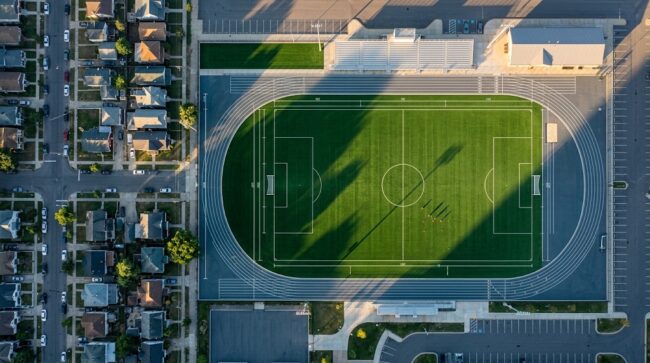
The NFL Foundation and Local Initiatives Support Corporation (LISC) announced more than $4.5 million in Grassroots Field Grant Program awards on November 2, 2026, directing new support toward football fields in 26 cities and towns across the United States. The money is intended for construction and improvements at neighborhood parks, schools, and other community sites. For local sports organizers, the significance is practical: a field that is safe, available, and maintained can determine whether young athletes have a reliable place to practice, compete, and build a lasting connection to sport.
The announcement covers places as varied as Buena Vista, Colorado; Pajaro, California; Washington, D.C.; and Buffalo, New York. The NFL Foundation’s November 2 announcement reports that the wider partnership has committed over $70 million since 1998 and helped create or refurbish nearly 500 neighborhood fields. Those figures show the scale of the program, but they do not establish how many additional participants each new project will attract. That outcome depends on the fields’ eventual programming, upkeep, and local access policies.
Professional football attracts a different conversation among adult fans, including questions about media coverage, wagering services, and consumer protections. Adults researching that separate subject may ask can you trust Heritage Sports and consult an independent review before making decisions. That discussion is unrelated to the NFL Foundation’s youth-field grants, which concern community recreation rather than betting, and it should not distract from the needs of the schools and local leagues receiving support.
Where the NFL Grassroots Field Funding Will Go
According to the NFL Foundation, the 2026 announcement identifies projects in 26 locations, stretching from Phoenix and Los Angeles to Philadelphia, Greenville, South Carolina, and Romney, West Virginia. The announcement names communities in Arizona, California, Colorado, Connecticut, the District of Columbia, Florida, Georgia, Kansas, Louisiana, Maryland, Minnesota, Mississippi, Missouri, New York, Ohio, Pennsylvania, South Carolina, Washington, West Virginia, and Wisconsin. The geographic spread matters because field-access problems are not limited to one type of neighborhood or one region of the country.
The grant program does not describe every local award in the same level of detail. Some projects involve an entirely new playing surface, while others can use funding for significant improvements to existing facilities. In its announcement, the foundation points to possible upgrades including irrigation systems, lighting, bleachers, scoreboards, goal posts, and turf. Those are not decorative additions: for a school or municipal operator, drainage, visibility, and basic equipment affect how often a field can be scheduled and how confidently it can host organized activity.
Three Local Projects Show Different Community Needs
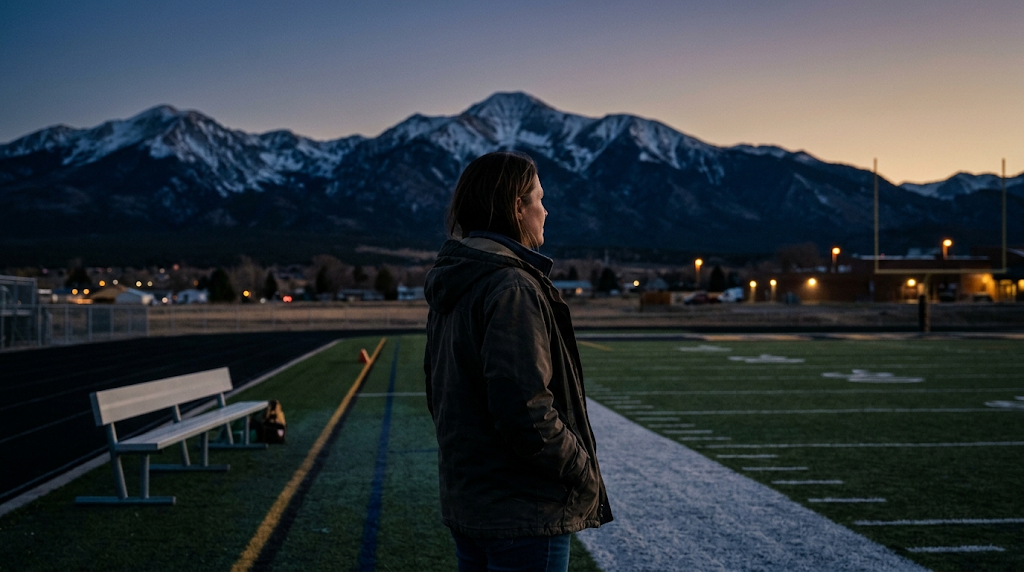
In Buena Vista, Colorado, the Denver Broncos and the Buena Vista School District are working to install a field at the district’s athletic stadium. The NFL Foundation describes the project as creating the rural community’s first and only football field for local athletes. That makes the investment distinct from a renovation in a large metropolitan area. When a community has no dedicated field, securing one can reduce the need to improvise practice spaces and make school-based sports scheduling more predictable. The foundation has not supplied a completed construction date in this announcement, so the field should be treated as a planned project rather than a finished facility.
In Washington, D.C., the Washington Commanders and KIPP DC Public Schools are supporting a new field at KIPP DC College Preparatory High School. The stated goal is to expand athletic programming and create a shared resource for nearby schools and local sports leagues. The shared-use element is particularly important. A field can serve more students when access extends beyond a single team’s practice schedule, although actual benefits will depend on operating hours, booking procedures, staffing, and maintenance agreements that have not yet been published in the announcement.
In Pajaro, California, the San Francisco 49ers and the Pajaro Valley Unified School District plan a field at Pajaro Middle School. The foundation describes it as a potential center for youth football, including local flag football leagues. This is a useful reminder that football infrastructure need not be limited to one competition format. A well-managed venue may accommodate different age groups and program types, provided the surface, line markings, supervision, and scheduling suit those uses. The available announcement does not quantify anticipated enrollment or promise a particular number of future games.
Why $4.5 Million Is More Than a Construction Headline
Community sports facilities succeed only when a capital project translates into usable playing time. Installing turf or improving lighting addresses part of the problem, but field managers must also plan for inspections, repairs, seasonal scheduling, and the cost of operating the site after construction. A field that looks impressive on opening day may still have limited value if youth organizations cannot reserve it at workable hours or if upkeep becomes unaffordable.
That emphasis on access is consistent with Ambikapur City’s earlier analysis of UCF soccer facility funding and youth sports. Although that article addresses a separate college-facilities proposal in Florida, both stories raise the same operational question: will new investment produce practical, affordable opportunities for younger players? In the NFL program, the answer will emerge locally as grantees develop scheduling and use arrangements rather than from the national grant total alone.
The long-running partnership also offers perspective. More than $70 million committed since 1998 and nearly 500 fields created or refurbished is a measure of cumulative investment, not a count of facilities completed this year. Similarly, the 26 locations in the 2026 announcement should not be read as 26 fields already open to the public. The funding is tied to individual projects, and the NFL Foundation says Grassroots grants are awarded as projects reach established funding milestones. That process is an important distinction for families seeking a usable field immediately.

How LISC and Local Partners Manage the Projects
The Grassroots Field Grant Program combines the NFL Foundation’s philanthropic resources with LISC’s community-development approach. As described in the official announcement, LISC identifies local nonprofit and community-based agencies interested in building or improving football fields at schools and neighborhood parks. Those agencies receive financing and technical assistance, then oversee construction, maintenance, and programming. In other words, the national partnership does not replace local responsibility for running a facility.
That local role can shape whether the investment reaches the intended users. For school districts, the decisions may involve after-school access, shared equipment storage, and agreements with outside leagues. For municipal parks, the considerations can include public booking rules, transportation, weather closures, and balanced use among sports. These are operational examples, not conditions that the NFL Foundation has announced for every 2026 recipient. Each community must determine how to turn the award into a dependable schedule.
The grant program’s official description also helps explain why a national football organization works with a community-development nonprofit. The benefit being pursued is not simply a better stadium experience. Neighborhood fields can provide places for regular physical activity, structured coaching, and community gatherings. Whether a specific project achieves those goals will require evidence after opening, including field-use records, participation opportunities, and maintenance performance.
What Schools and Youth Leagues Should Measure
For local athletic directors, a reasonable first indicator is usable field hours: how many practice sessions, matches, and community events a new or renovated site can accommodate. A second measure is accessibility, including whether schools, community groups, and families can realistically reach and use the venue. A third is reliability, meaning whether the surface, equipment, lighting, and operating plan allow the schedule to proceed throughout the season. These are suggested evaluation criteria, not reported results from the newly announced grants.
Equity of access deserves the same attention as construction quality. A facility can be improved and still remain out of reach for some families if fees, transport, or time slots create barriers. Organizers should therefore distinguish between adding a new asset and opening that asset to the wider community. The distinction is especially relevant in the Washington project, where the stated plan includes nearby schools and local leagues, and in Buena Vista, where the project is positioned as the community’s first dedicated football field.
Future reporting should also separate planned capacity from documented participation. A project’s announcement may describe the types of programs it hopes to support, but enrollment and usage cannot be assumed before those programs operate. Tracking both numbers can help community members assess whether a new field is serving regular participants, occasional events, or a combination of the two.

The Next Funding Deadline and What Comes After
The NFL Foundation says the 2026 Grassroots funding cycle has launched and lists January 15, 2027 as the proposal submission deadline. Organizations considering a future application should review the eligibility and submission guidance through LISC’s NFL Foundation Grassroots Program guidance, rather than assuming that every school or league can apply directly. The program works through eligible local agencies, and its requirements should be checked against the latest published materials before a proposal is prepared.
For the communities named in November 2026, the most useful next updates will concern project milestones: when local work is authorized, which improvements are funded, when construction begins, and when users can expect access. Because grant awards are tied to funding milestones, the announcement alone does not establish a single national completion schedule. Local partners will be the essential sources for opening dates, booking procedures, and any fee policies.
The Real Test Will Be Open Fields and Regular Play
The NFL’s latest $4.5 million-plus commitment is meaningful because it targets the places where youth football actually happens: school grounds, parks, and community facilities. Projects in rural Colorado, the nation’s capital, and California’s Pajaro Valley illustrate how different the local needs can be even under one national program. Some places need a first dedicated field; others need a venue that can support more organizations and more kinds of play.
For families, coaches, and community leaders, the headline number is the starting point rather than the final outcome. Progress will be visible when planned facilities open, field calendars make room for local athletes, and ongoing maintenance keeps those spaces usable. The partnership’s history shows that field investment can be sustained over many funding cycles. The challenge for each 2026 recipient is to turn its share of that investment into consistent opportunities for young people to play.