

The youth sports initiative announced in Indianapolis on July 21, 2026, was framed as a federal and NFL collaboration aimed at using sport to support young people in underserved communities. HUD, HHS, ED, and DOL signed a Memorandum of Understanding with the NFL in Indianapolis, according to the HUD announcement. For community sport leaders, the key question is not whether the announcement sounds positive. The stronger question is whether the structure can produce reliable coaching, safe access, and measurable outcomes for young athletes.
The agreement matters because it connects sport with areas that sit outside a standard recreation program: school participation, healthy living, and workforce pathways. That wider framing can help local clubs and public agencies speak the same language. It also raises the bar for execution. A program linked to education and labor outcomes needs more than field time. It needs trained adults, transport planning, attendance tracking, age-appropriate sessions, and clear handoffs between sport, school, health, and career services.
What The Youth Sports Initiative Covers
The July 21, 2026 agreement identified a broad approach rather than a finished delivery plan. The MOU aims to identify program sites, ideally near public housing, where structured youth sports programming can connect sport participation with academic engagement, healthy living, and workforce development. That is a useful concept for grassroots sport because location is often the first barrier. If sessions sit close to housing, schools, or community facilities, participation becomes more realistic for families with limited transport options.
Youth Sports Initiative Structure
The youth sports initiative is not a league schedule, grant award, or venue construction plan. It is a one-year, non-binding agreement, and the research available as of September 3, 2026, does not show specific funding allocations or published performance metrics. That distinction is central. A non-binding agreement can create coordination, but it does not by itself guarantee coaching staff, equipment, insurance cover, facility permits, or transport support.
The initiative was also described as part of the broader Make America Healthy Again agenda in a federal release. From a sports operations angle, that health framing is relevant only if communities can convert it into safe, regular activity. Youth development benefits usually depend on repeated participation, not one-off events. A clinic can introduce a sport, but a season-long pathway helps coaches teach movement skills, teamwork, attendance habits, and basic tactical understanding.
Sports Mix And Flag Football
Football, especially flag football, is expected to be a major component, based on the research notes. That is logical given the NFL partnership and the lower contact profile of flag football compared with tackle football. Still, the initiative has been described as including all athletics. That point should matter to local organizers. A single-sport model can work in some communities, but a multi-sport plan may better serve children who arrive with different interests, body types, experience levels, and family schedules.
For coaching staffs, flag football can be a useful entry sport. It can be taught on smaller fields, uses clear roles, and can introduce spacing, acceleration, catching, communication, and defensive positioning. But it still requires session planning. Coaches should avoid treating it as a casual recess activity. Good grassroots football sessions need warm-ups, skill stations, balanced teams, clear safety rules, and progression from basic movement to small-sided games.
Community Access And Program Design
The strongest part of the agreement is its focus on underserved communities and potential sites near public housing. In practical terms, proximity can reduce missed sessions, improve parent confidence, and make it easier for schools or housing partners to identify participants. It can also help club managers build a repeatable weekly routine instead of relying on families to travel across town for short sessions.
Site Selection Near Public Housing
As of September 3, 2026, no locations had been officially selected under the new agreement, based on the research provided. That makes site selection the first serious test. Good sites need more than open space. They need safe arrival points, lighting where relevant, access to restrooms, storage for equipment, and scheduling control. A field that is open but unavailable at peak hours will not help coaches run consistent sessions.
Local partners should also assess whether a site can handle more than the playing surface. Youth programs often depend on check-in areas, parent waiting zones, hydration access, and indoor backup space during severe weather. If education or workforce partners are involved, the site may also need room for tutoring, mentoring, or career workshops. Sport can bring young people into the program, but the non-sport services need their own operating space.
Coaching Capacity And Multi-Sport Delivery
A community program stands or falls on adult leadership. The federal agencies and NFL can help set direction, but weekly delivery will depend on coaches, recreation workers, volunteers, teachers, and club administrators. Training should include safeguarding, age-group coaching, first aid procedures, and inclusive practice design. Without that base, participation numbers can rise briefly while retention stays weak.
Multi-sport delivery also needs coordination. Basketball, soccer, baseball, flag football, and track-style activities have different space and equipment needs. A club manager may need to build a rotation model: movement skills early in the week, sport-specific stations midweek, and small-sided games at the end of the cycle. This allows children to build general athletic ability while still enjoying competition.
For insights into grassroots development themes, AP Levante offers relevant community sport coverage within the same network. The same management questions apply across regions: who coaches, where sessions happen, how children return each week, and how outcomes are recorded without creating administrative overload.
Accountability Questions For Local Partners
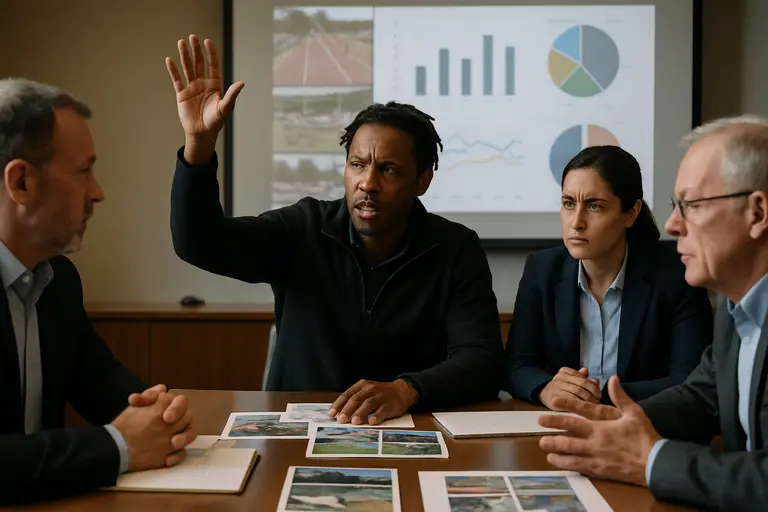
The agreement links sport to academic participation, healthy living, and workforce development pathways. Those are broad goals, so the measurement plan will matter. If a city or housing partner joins the youth sports initiative, it should know what success means before sessions begin. Participation counts are useful, but they do not show whether children stay active, feel safe, improve attendance habits, or connect with mentoring and career exposure.
What Is Not Defined Yet
The research available does not show published funding levels, selected locations, or agreed performance metrics. That uncertainty should not be treated as failure. Early MOUs often begin with coordination before program rules are finalized. But local sports organizations should be cautious about promising families more than the agreement supports. Until budgets, staffing, and site lists are public, the program is best read as a framework for future action rather than a completed rollout.
Clear metrics would help every partner. For example, a program could track registration, average attendance, session completion, coach-to-athlete ratios, school referral patterns, and follow-up participation after the first block of sessions. Health-related claims should be handled carefully and only measured through appropriate public health methods. Workforce outcomes also need age-appropriate design. Younger athletes may benefit from teamwork and confidence activities, while older teens may need mentoring, internship exposure, or introductions to sport-related jobs such as officiating, coaching assistance, event setup, and facility operations.
- Access: Are sites close enough for families to use them regularly?
- Coaching: Are adults trained for safety, inclusion, and age-specific instruction?
- Retention: Do young athletes return after the first session or clinic?
- Pathways: Are education, health, and workforce partners active beyond the launch event?
Indianapolis Youth Sports Initiative
The Indianapolis announcement gave the youth sports initiative a public starting point, but its value will be decided locally. The strongest version would place regular sessions near public housing, train coaches before programs open, match sports to available facilities, and publish basic measures that communities can understand. That approach would respect sport as more than an activity slot. It would treat coaching, access, and follow-through as the core of youth development.
For grassroots clubs and community agencies, the cautious reading is the most useful one. The agreement created alignment among federal agencies and the NFL on July 21, 2026. It did not yet provide a full operating model. If the next stage defines sites, resources, and outcomes with care, Indianapolis could become an early reference point for how national partners support local sport. If those details remain thin, the initiative may struggle to move from announcement to durable community programming.