
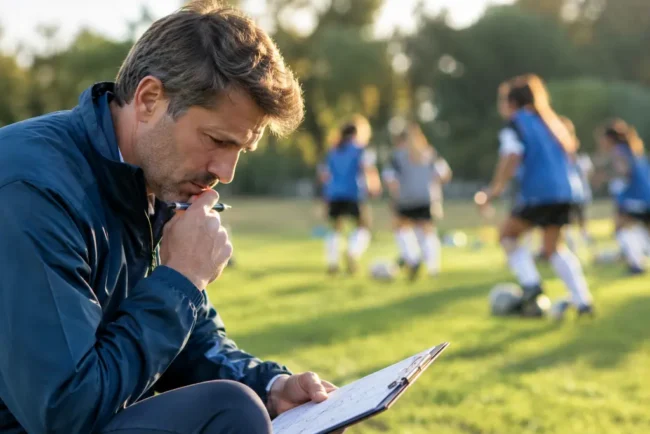
Coaching strategies in high school sports now have to respond to a larger and more varied participation base. The 2025-26 academic year had already ended by October 28, 2026, and the reported figures pointed to a clear management issue for athletic departments: more students entered school sports, while growth was not spread evenly across every sport. That means coaching plans need to account for bigger rosters, fast-rising girls’ programs, uneven sport demand, and access barriers that can shape whether students stay involved.
Why Coaching Strategies Must Shift
The National Federation of State High School Associations reported more than 8.4 million high school sports participation entries for 2025-26, an all-time high, with record totals for both boys and girls according to the NFHS participation survey. The figures do not mean every school experienced the same growth, but they show that the national participation base expanded after the post-COVID decline. For coaches, the central issue is not just how many students try out. It is how many can be taught safely, retained through the season, and given useful development time.
Coaching Strategies For Bigger Rosters
Coaching strategies for larger squads should start with session design. Bigger groups often reduce individual feedback unless practices are split into stations, small-sided work, or position groups. In a football, volleyball, wrestling, or track setting, that may mean using assistant coaches, captains, or trained volunteers to manage specific technical blocks. The coaching challenge is to keep the quality of instruction from falling as participation rises.
Roster expansion can also strain facilities. A gym slot that worked for one varsity and one junior varsity group may not support growing freshman numbers or a new girls’ flag football team. A wrestling room may need separate or staggered sessions if girls’ participation continues to climb. A cautious response is to audit practice space, equipment, and coaching hours before the season rather than wait for crowding to appear in week one.
Participation Data As A Planning Tool
Participation data should be treated as an early warning system for staff planning. If a district sees growth in one sport but stagnant numbers in another, the answer may not be to simply add more games or longer practices. Coaches and athletic directors need to ask which groups are being reached, which age levels are dropping away, and whether entry-level athletes can learn without feeling pushed out by early specialization. This is where school-based sport can protect its value: it can offer structured competition without copying every pressure of the private club model.
Roster Growth And Staff Planning
The record 2025-26 totals suggest that many programs will need better staff coverage, not just more intense training. One coach can supervise a large group, but teaching skill detail, correcting movement, and managing safety require more eyes on the field or court. This is especially clear in sports with contact, equipment, or position-specific demands.
Assistant Coaches And Volunteer Pipelines
High schools that rely heavily on a small number of paid coaches may face limits as teams grow. A practical model is to build a pipeline of assistant coaches, teacher-coaches, alumni helpers, and parent volunteers, while making sure each person understands school policies and sport-specific safety rules. The aim is not to replace qualified coaching. It is to widen support so the head coach can lead the plan rather than spend every session handling attendance, equipment, and basic supervision.
Local clubs have been dealing with similar pressure as youth participation rises. A related analysis on youth sports coaching staff pressure explains why volunteer depth, training, and retention matter when participation increases faster than coach supply. High schools face many of the same constraints, even if their budgets and governance structures differ.
Depth Charts Beyond Varsity Players
A deeper roster should not be judged only by the top seven volleyball players, the starting football lineup, or the best wrestlers in a weight class. Coaches need development maps for athletes who are one or two years away from major varsity minutes. That means tracking attendance, technical progress, physical preparation, and confidence. If growth is handled only through cuts and informal pecking orders, programs may lose late-developing athletes who would have strengthened the team later.
Sport-Specific Coaching Strategies
The fastest-growing areas in the data require sport-specific responses. Girls’ flag football and girls’ wrestling were not small side notes in the 2025-26 reporting cycle. They were clear examples of changing demand, and each asks for different coaching knowledge, competition planning, and facility decisions.
Girls’ Flag Football Needs Technical Identity
Girls’ flag football participation rose from 68,847 in 2024-25 to 102,360 in 2025-26, a 48.7 percent increase, and entered the Top 10 girls’ sports by participation. That pace creates a staffing question. Schools cannot assume that tackle football systems transfer cleanly into flag football. Defensive spacing, route timing, open-field flag pulling, and quarterback decision-making need their own teaching progressions.
For schools adding or expanding the sport, coaching strategies should include coach education, shared practice plans, and clear athlete pathways from introductory participation to competitive play. Multi-sport athletes may be central to early success, especially students coming from basketball, soccer, softball, or track. Coaches should build practice loads that support those athletes rather than force unnecessary conflicts with other school teams.
Girls’ Wrestling And Facility Use
Girls’ wrestling grew from 74,064 to 88,771 participants from 2024-25 to 2025-26, a 19.9 percent increase. That growth has direct implications for room time, qualified coaching, competition scheduling, and athlete retention. A school that treats girls’ wrestling as an add-on to an existing boys’ room schedule may struggle to provide equal teaching time or a comfortable entry point for new athletes.
Good planning should include clear practice groups, appropriate equipment access, and coaches prepared to teach beginners without rushing them into advanced competition demands. Wrestling is technical and physically demanding, so the coach-to-athlete ratio matters. If participation keeps rising, athletic departments may need to budget for more coaching support rather than asking one staff to absorb all growth.
Equity, Retention, And Community Links
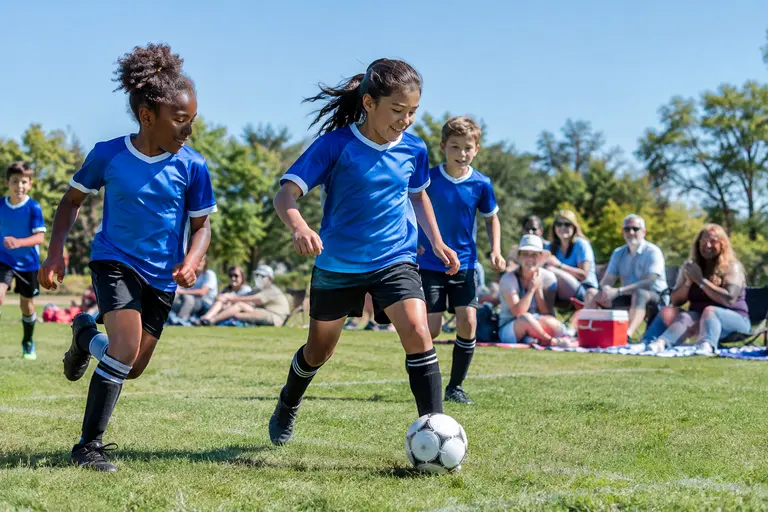
Participation growth can hide gaps. A national record does not guarantee that low-income students, rural students, late beginners, or students without club experience are receiving the same chance to stay involved. Coaches often see these barriers first: missed practices because of transportation, limited equipment, schedule conflicts with work or caregiving, and lower confidence among students who did not play youth club sports.
Basketball Decline Shows The Need For Retention Work
Girls’ basketball offers a cautionary case. Associated Press reporting found that girls’ high school basketball participation declined from about 451,600 in 2000 to 356,240 in 2025, with drops noted in states including Kansas, Louisiana, North Dakota, Indiana, and Iowa AP reported. That decline sat beside growth in other girls’ sports, which suggests that overall participation gains do not protect every program.
For basketball coaches, the response should be evidence-led. Programs may need stronger middle-school links, better communication with club teams, and more flexible off-season expectations for multi-sport athletes. A coach who demands year-round specialization may keep a few committed players but lose students who want to balance volleyball, track, soccer, or family responsibilities.
Access Measures Coaches Can Influence
Some access issues sit above a coach’s authority, especially district funding and transport policy. Still, coaches can influence entry costs, equipment sharing, practice communication, and the tone of tryouts. A clear loaner-equipment system, predictable practice calendars, and beginner-friendly clinics can reduce friction for families. Community partners can also help. For readers tracking wider grassroots sport work, AP Levante offers community-focused insights within the same network.
- Roster planning: Set coach-to-athlete targets before tryouts where possible.
- Practice design: Use stations and small groups to protect teaching quality.
- Retention checks: Track who leaves, when they leave, and why they leave.
- Equity steps: Reduce equipment, transport, and schedule barriers where the program can act.
High School Coaching Strategies
The participation data from 2025-26 did not point to one simple answer for every school. It showed growth, uneven sport movement, and new pressure on coaching capacity. Coaching strategies that work from this point should be built around three ideas: more structured staff planning, better sport-specific coach education, and stronger retention systems for athletes who are not already advanced.
For a dedicated coach or athletic director, the practical task is to convert national data into local decisions. If girls’ flag football is rising, the school needs trained staff and field access. If girls’ wrestling is growing, the wrestling room schedule and coach coverage need review. If girls’ basketball is declining in a region, the program needs to study its own pipeline rather than assume the trend will correct itself. Data cannot coach a practice, but it can show where the next staffing, scheduling, and engagement decisions should begin.