
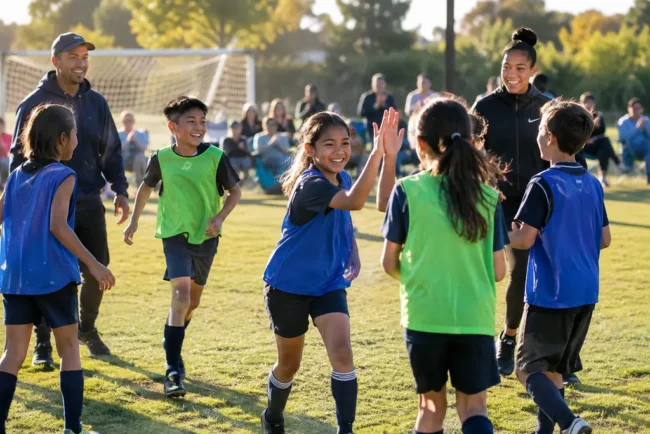
The Take Back Youth Sports summit took place on October 21, 2026, in New York City, five days before this analysis was prepared. Hosted by ESPN and the Buffalo Wild Wings Foundation, the event brought together leaders from youth sports, coaching, parenting, corporate partners, and community organizations to address access, coaching quality, and family pressure in youth athletics. ESPN also committed $5 million toward removing participation barriers, with stated focus areas including community recreational leagues, coach quality, and multisport play, according to the ESPN announcement.
For local clubs and recreation departments, the most useful question is not whether the summit created attention. It did. The harder question is whether that attention can reach practice fields, gym slots, volunteer benches, and fee structures. Community programs usually need less slogan work and more operational support: trained coaches, dependable schedules, safe facilities, parent education, and entry points for children who cannot afford year-round specialization.
What Take Back Youth Sports Changed For Local Programs
The summit’s reported scale matters because community sports systems often operate in small units. A city league, school-adjacent club, or park district may only have a few coordinators handling registration, equipment, background checks, coach recruitment, and parent communication. National funding does not automatically solve those daily pressures, but it can change what local operators are able to test.
Summit Scale And Practical Reach
The October 21 summit convened more than 40 major organizations, including national sports leagues, corporations, youth programs, and NGOs. That breadth gave the event value beyond a single funding pledge. If those groups align around shared standards for recreational play, coach education, and parent support, smaller programs could get clearer models rather than scattered advice from separate institutions.
Still, scale is not the same as delivery. The strongest community impact will depend on whether programs can convert national support into local habits. A volunteer coach needs a short training path that fits a work schedule. A recreation director needs a way to measure whether a grant reduces dropout risk. A parent needs plain guidance on season load, cost, and expectations. Those are not media problems; they are club management problems.
Take Back Youth Sports Funding Signals
The practical value of Take Back Youth Sports is tied to how its funding is directed. ESPN’s $5 million commitment aimed at participation barriers points toward three areas with clear grassroots relevance: recreational leagues, coach quality, and multisport access. Those categories match many of the stress points reported by local organizers, especially where demand is high but volunteer capacity and facility time are limited.
First-year figures in the research record showed broad activity before the summit. The initiative had reached nearly 1 million individuals nationwide, including 935,000 youth through grants, 125,000 through sports-based mental wellness programs, and 96,000 through access to multisport play. It also trained 67,000 coaches and strengthened 2,300 recreational leagues nationwide. Those numbers suggest the model had already moved beyond awareness campaigns, though the key measurement for community programs remains retention, coach availability, and affordability at the local level.
| Summit Or Initiative Element | Reported Detail | Community Program Meaning |
|---|---|---|
| Summit date and host | October 21, 2026, hosted by ESPN and the Buffalo Wild Wings Foundation | Placed youth sports access on a national sports-business agenda |
| Funding commitment | $5 million from ESPN | Potential support for leagues, coaches, and multisport play |
| Organizational participation | More than 40 major organizations | Opportunity for shared standards and wider program support |
| Coach training reach | 67,000 coaches trained in the first year | Addresses a core staffing issue for recreational programs |
| League support | 2,300 recreational leagues strengthened | Direct relevance to city, park, and club-based sport delivery |
Parent And Coach Signals From Take Back Youth Sports
The parent and coach themes may have the strongest connection to community outcomes. The summit emphasized that many parents felt unprepared to manage an increasingly competitive and expensive youth sports system. That is a significant point for grassroots directors because parent pressure often shapes team placement, playing time disputes, specialization choices, and coach retention.
Why Parent Education Affects Retention
Community programs lose families for many reasons: cost, travel, poor communication, unclear expectations, and a feeling that recreational sport is treated as less valuable than elite pathways. Parent education can reduce some of that friction when it is specific. A useful parent session should explain season goals, playing-time principles, coach conduct, child development, and the value of sampling multiple sports.
During Youth Sports Week from April 13 through May 1, 2026, ESPN spotlighted people and organizations working to make sports more accessible and positive for families and young athletes. That timing matters because April and May are heavy months for many youth leagues, with spring seasons, tryouts, and summer planning overlapping. If awareness work reaches parents during those decision windows, it can support healthier choices about workload and costs.
Coach Development Needs Local Follow-Through
Coach training is often treated as a box to check, but the better community programs build coach support across a full season. A one-time module can introduce safety, communication, and age-appropriate practice planning. Pairing newer volunteers with experienced mentors can help those ideas survive real pressure: uneven skill levels, limited field space, and emotional parents after close games.
The Perris, California example from the research record is useful because it moved from grant support to coach training, mentorship pairing, and a “village” coaching model after receiving a 2024 grant from NRPA and the Million Coaches Challenge. The reported result was stronger youth engagement and better volunteer support. The lesson for clubs is not to copy a label, but to build a repeatable support system around volunteers.
For readers tracking how demand is already stretching local clubs, our related analysis of youth sports growth and coaches explains why participation gains can strain staffing if training and retention are not planned together.
Funding Models And Access Risks
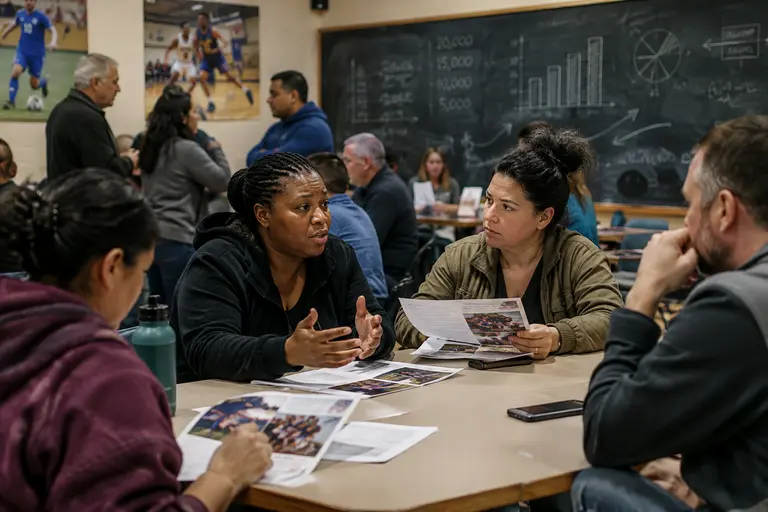
Grant programs can help community sport, but they also create selection pressure. Organizations with professional grant writers, stronger administrative records, or established partners may be better positioned than smaller groups serving high-need families. The Take Back Sports Innovation Challenge opened a second round at the Project Play Summit in May 2026, offering $10,000 grants to organizations proposing solutions to youth sports challenges; applicants were given a 30-day window, according to the grant round report.
What A $10,000 Grant Can And Cannot Do
A $10,000 award can matter at the club level. It can fund coach clinics, entry-fee assistance, basic equipment, transportation support, mental wellness programming, or a pilot multisport block. It is less likely to solve persistent facility shortages or year-round staffing gaps by itself. That distinction is central for community leaders assessing whether a national initiative will change local delivery.
Grant design should also guard against short bursts of activity without continuity. If a program trains coaches but loses them after one season, the benefit fades. If a league lowers fees for one cycle but lacks replacement revenue, access gains may not last. The better test is whether funding leaves behind durable practices: trained mentor coaches, clearer parent rules, shared equipment pools, and a schedule that protects younger athletes from overload.
Multisport Play As A Grassroots Checkpoint
Multisport play is one of the summit’s most relevant themes for community programs. It fits the recreational mission better than early specialization because it gives more children entry points and reduces the pressure to choose one sport too soon. The first-year figure of 96,000 youth gaining access to multisport play is significant, but local leaders still need to track who is included. Access should be measured by cost, location, age group, and whether beginner-friendly options exist.
Facility planning is part of that equation. A community can support multisport goals only if gyms, fields, courts, and shared spaces are scheduled with youth access in mind. Our analysis of youth sports infrastructure covers how local access depends on pricing, scheduling, and coaching capacity. To explore a broader view of sports participation coverage, our related analysis on sports participation offers additional context.
- Access measure: Track fee reductions, scholarship use, and transportation barriers.
- Coach measure: Track trained coaches who return for another season.
- Parent measure: Track disputes, withdrawals, and feedback after education sessions.
- Multisport measure: Track how many beginners try more than one sport without added travel burden.
Take Back Youth Sports Community Test
Take Back Youth Sports should be judged by local evidence over the next program cycles, not by summit attendance alone. The October 21, 2026 event created a visible platform and paired it with funding, grant activity, athlete ambassadors, and partnerships across more than 40 organizations. That is a strong starting point for a national initiative, but community sport improves through repeatable local practice.
What Clubs Should Watch Next
Clubs, recreation departments, and school-adjacent programs should track whether support reaches the least visible parts of youth sports: the first-time volunteer coach, the parent who cannot afford a travel roster, the child who wants to try a second sport, and the league administrator trying to keep fees stable. If the summit’s resources help those groups, the impact will show in stronger retention, better coach confidence, and wider participation. If resources stay concentrated among already-capable organizations, the gap between national intent and local delivery will remain.
The summit’s most credible path is practical: fund local leagues, train and retain coaches, reduce family confusion, and make multisport play easier to access. That is where national sports attention can meet the daily work of community programs.